
There are numerous varieties of nuts, yet almonds stand out as one of the most nutritious options available.
Interestingly, almonds are also among the first foods to be domesticated, with historical records tracing back to the Bronze Age.
This blog article explores the advantages these nuts provide, along with a comprehensive overview of their nutritional profile.
Wellness in a Nutshell: Why Almonds Matter
Almonds are more than just a crunchy snack — they’re a powerhouse of nutrition and wellness. From ancient civilizations to modern diets, almonds have been celebrated for their health benefits, making them one of the most popular nuts worldwide.
Nutritional Benefits of Almonds
1. Rich Source of Vitamin E
Almonds are among the best natural sources of Vitamin E, a powerful antioxidant that protects cells from oxidative stress. As a result, they support skin health, immunity, and reduce inflammation. In addition, just one ounce (28 g) of almonds provides nearly 48% of your daily Vitamin E needs.
2. Supports Blood Sugar Control
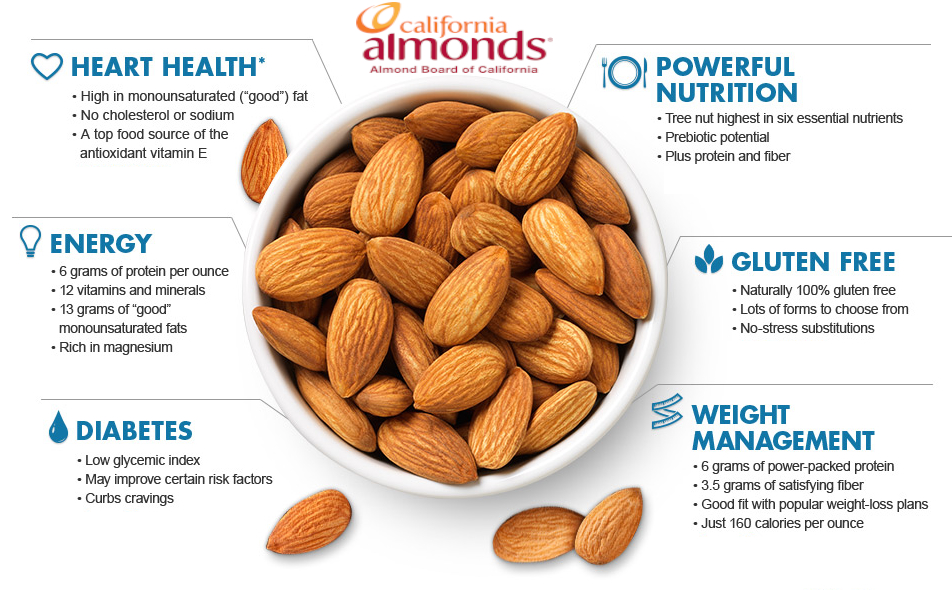
Studies show that almonds can help regulate blood glucose levels. Therefore, replacing carbohydrate-rich foods with almonds has been linked to lower fasting blood sugar. Consequently, they are a smart choice for individuals managing type 2 diabetes.
3. Packed with Magnesium
A single serving of almonds delivers 19% of the daily recommended magnesium intake. Furthermore, magnesium plays a vital role in blood pressure regulation, muscle function, and energy production. Thus, adequate magnesium intake may reduce the risk of cardiovascular disease.
4. Heart Health Ally
Almonds are rich in healthy fats (monounsaturated fats) that support heart health. In fact, regular consumption has been associated with lower LDL cholesterol. Consequently, almonds contribute to improved overall cardiovascular wellness.
5. Weight Management Support
Despite being calorie-dense, almonds promote satiety. This is because their combination of protein, fiber, and healthy fats helps reduce cravings. Therefore, they are an excellent snack for weight management.
6. Almonds Are Rich in Fiber
The quality of carbohydrates matters. In fact, there is a big difference between refined carbs like sugar and wheat flour versus complex carbs from nuts and vegetables. Simple carbohydrates convert to glucose almost instantly, causing sharp spikes in blood sugar. On the other hand, fibrous carbohydrates, such as those in almonds, break down slowly. As a result, they help regulate digestion and prevent sudden glucose surges. A one‑ounce serving of almonds contains 6.1 grams of carbohydrates, with 3.4 grams coming from fiber. Moreover, research shows that fiber supports gut microbiota, often called “good bacteria,” which play a vital role in digestive health.
7. Almonds May Help Reduce Hunger
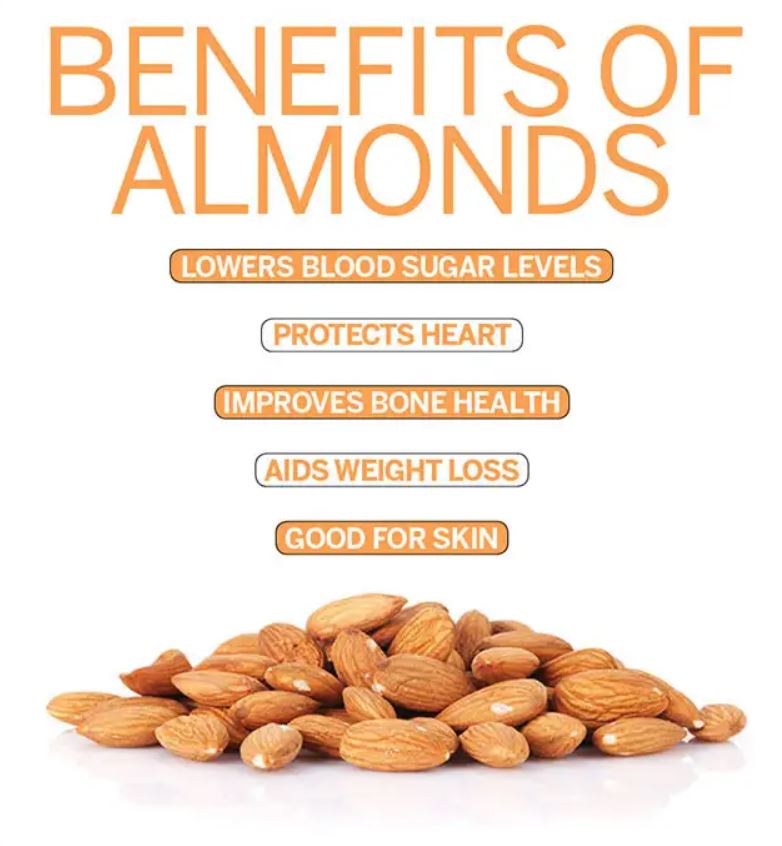
Several studies suggest that almonds can reduce hunger and curb appetite. For example, one study found that a mid‑morning snack of 28 or 42 grams of almonds lowered food intake at lunch and dinner. Additionally, a randomized trial with 137 participants showed that eating 43 grams of almonds with a meal suppressed hunger and reduced cravings throughout the day. Importantly, this did not lead to weight gain. The satiating effect is likely due to almonds’ protein and fiber content. Therefore, almonds are a smart snack choice for managing appetite and supporting weight control.
8. Almond Intake Enhances Cholesterol Levels
Almonds improve cholesterol profiles. To begin with, studies show that almond consumption reduces LDL cholesterol in a dose‑dependent manner. Furthermore, clinical trials reveal that almonds can raise HDL cholesterol. Consequently, they improve the ratio of non‑HDL to HDL cholesterol, which many researchers consider a more accurate marker of cardiovascular risk. Thus, eating almonds regularly may contribute to better heart health and lower the risk of cardiovascular disease.
9. Almonds Are Highly Versatile
Almonds are not only healthy but also highly versatile. For instance, they can be enjoyed as a simple snack.
In addition, they can be ground into almond flour for gluten‑free baking, blended into almond butter, or combined with yogurt and berries for a nutritious mini‑meal. Therefore, incorporating almonds into your diet is easy and enjoyable. Recipes featuring almonds are widely available, making them a flexible ingredient for both sweet and savory dishes.
10. Almond Skin Is Abundant in Polyphenols
Almond skins are rich in polyphenols, including phenolic acids, flavonoids, and tannins.
These compounds, though still under study, are believed to offer anti‑inflammatory and antioxidant benefits. Moreover, polyphenols protect the fatty acids in almonds, helping extend shelf life. While more human research is needed, current evidence suggests that almond polyphenols may support overall health and enhance the nutritional value of the nut.
11. Almonds Are Very Nutritious
Almonds are among the most nutrient‑dense tree nuts. In other words, they provide more nutrients per calorie than most other nut varieties.
As a result, almonds deliver protein, fiber, healthy fats, vitamins, and minerals in a compact serving. Ultimately, this makes them one of the best choices for anyone seeking nutrient‑rich foods to support long‑term wellness.
Why Add Almonds to Your Diet?
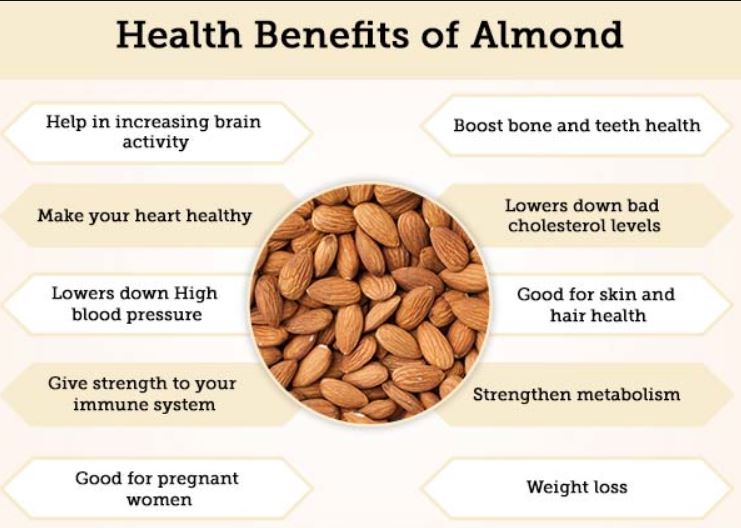
- Boosts energy naturally
- Improves skin and hair health
- Supports brain function
- Provides plant-based protein
- Helps maintain strong bones
How to Enjoy Almonds Daily?
Eat a handful of raw almonds as a snack.
Add sliced almonds to salads or yogurt.
Blend into smoothies for extra nutrition.
Use almond flour in baking for a gluten-free option.
Try almond butter as a healthy spread.

Optimal time to consume :
Almonds are harvested at their peak from late summer to early fall worldwide, guaranteeing fresh availability after the monsoon season. The ideal time to eat almonds is during winter, as your body instinctively seeks nutrient-rich, warming foods. For optimal timing, it is recommended to consume almonds in the morning to enhance energy levels and cognitive function
Hi, this is a comment.
To get started with moderating, editing, and deleting comments, please visit the Comments screen in the dashboard.
Commenter avatars come from Gravatar.